

Agricultural air-supported structures (or "air-supported membranes") can be categorized based on their structural form, functional purpose, and materials. Types include standard covering membranes, double-layer inflatable thermal-insulation membranes, inflatable building structures, and multi-functional composite membranes. Each type serves a distinct role in agricultural production; the choice depends on factors such as the scale of cultivation, the type of crops, local climatic conditions, and specific facility construction requirements.
1. Standard Agricultural Covering Membranes. These are primarily used for vegetable greenhouses, seedling nurseries, flower cultivation sheds, and as covers for various cash crops. Typically made from materials like polyethylene (PE) or ethylene-vinyl acetate (EVA) copolymer, these films are lightweight, offer good light transmission, are easy to install, and are relatively cost-effective. Depending on specific needs, they can be manufactured with features such as anti-drip (anti-fog), UV-resistance, and thermal insulation to optimize light and temperature conditions within the structure. With a relatively simple design, these membranes create a stable growing environment, making them well-suited for general agricultural cultivation and seasonal production.
2. Double-Layer Inflatable Thermal-Insulation Membranes. These consist of an inner and an outer layer of film. A blower system supplies air-either continuously or intermittently-into the space between the layers, maintaining a specific thickness of air that acts as an insulating barrier, thereby reducing heat loss from within the greenhouse. Compared to single-layer covers, this structure offers superior thermal insulation during winter and enhances the overall stability of the membrane surface. It is ideal for winter vegetable production, seedling nurseries, and agricultural facilities that require precise temperature control. In practice, the inflation system must be configured according to the dimensions of the structure, airflow distribution, and external temperatures; additionally, the membrane and its connection points should be inspected regularly for any air leaks.
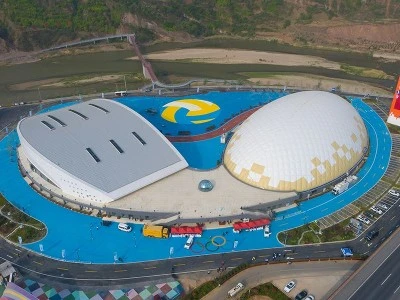
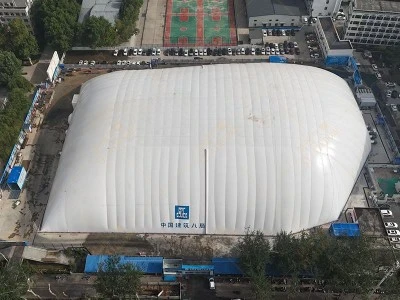
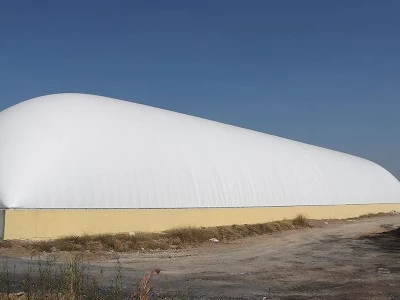
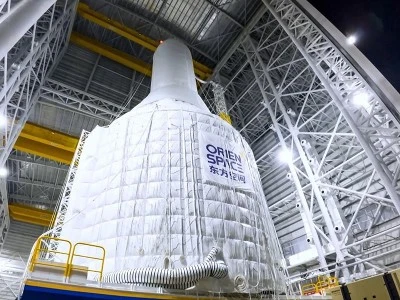
3. Inflatable Building Structures. These are primarily used as large-scale enclosures for agricultural facilities, such as industrial-scale greenhouses, livestock and poultry housing, agricultural produce sorting areas, and certain types of agricultural storage facilities. The membrane material is typically composed of a high-strength fiber-based fabric combined with a polymer coating. By using fans to maintain a pressure differential between the interior and exterior, the flexible membrane is inflated to form a stable architectural space. Compared to standard agricultural films, air-supported structures (inflatable membranes) demand higher standards for tensile strength, tear resistance, airtightness, and structural safety. Their design must also account for factors such as wind and snow loads, drainage, ventilation, and backup power supply. While these structures offer advantages-such as low self-weight, the ability to span large areas, and flexible construction methods-they require integrated pressure control and safety systems for both their construction and ongoing operation.
4. Multifunctional Agricultural Membrane Structures. These multifunctional membranes incorporate composite materials, surface coatings, or functional additives to provide a range of simultaneous properties, such as light transmission, thermal insulation, anti-drip/anti-fog capabilities, UV resistance, and waterproofing. Some products are specifically engineered for enhanced aging resistance and low-temperature durability to suit the climatic conditions of different regions. Such membranes are well-suited for modern agricultural facilities that require precise control over temperature, humidity, and light-for instance, in the cultivation of high-value vegetables or flowers, seedling propagation, and the production of certain edible fungi. When selecting these materials, it is essential to consider the specific growth requirements of the crops, while holistically evaluating factors like light transmission, heat retention, material durability, and total cost of ownership; one should avoid focusing on a single performance metric at the expense of overall practical effectiveness.