

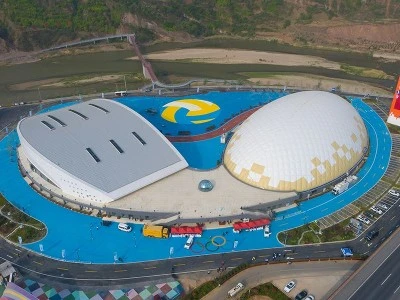
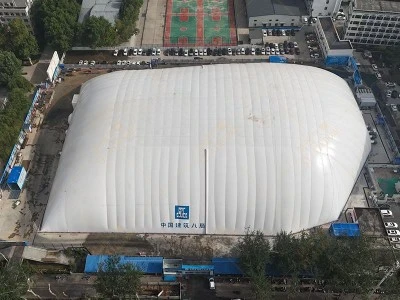
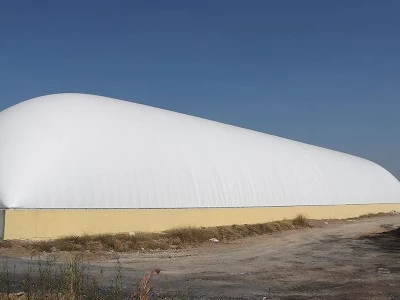
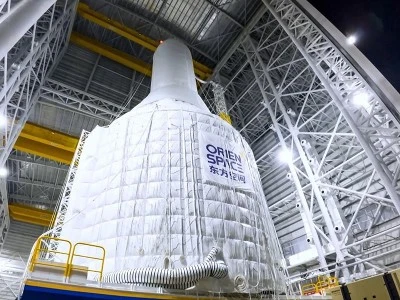
Air-supported structures for sports and cultural tourism are increasingly evolving toward multifunctionality and comprehensive utility. Their application has expanded well beyond traditional, single-purpose sports venues to encompass areas such as sports training, leisure and entertainment, family-oriented activities, and tourism-related facilities. As the demand for public fitness grows, so too does the need for indoor facilities for sports like tennis, badminton, basketball, and five-a-side soccer. With their expansive interior space, flexible layout options, and relatively short on-site installation periods, air-supported structures have become a preferred choice for many new sports facilities. Unlike traditional, permanent sports buildings, these structures allow for adjustments to span, clear height, and internal zoning based on project scale and operational goals-enabling the creation of everything from professional-grade sports arenas to integrated spaces that combine athletics, training, and leisure. In the context of cultural tourism, these structures can be integrated into resorts, sports parks, commercial complexes, and educational bases, enriching the visitor experience through specialized sports activities, youth training programs, and themed events. Looking ahead, as sports consumption scenarios become more specialized, the focus for such projects will shift beyond merely meeting basic athletic needs; greater emphasis will be placed on strategic positioning, space utilization, and long-term operational viability, with facility planning increasingly tailored to the specific exercise habits and consumption preferences of local populations.
Future air-supported structures for sports and cultural tourism will place a greater premium on structural safety, energy efficiency, and intelligent management. As these facilities grow in scale and operational requirements become more rigorous, factors such as the weather resistance, tensile strength, seam quality, and overall lifespan of the membrane materials will receive heightened attention, with structural designs increasingly optimized for diverse climatic conditions. For air-supported structures, which require continuous fan operation to maintain internal pressure, minimizing energy consumption and enhancing equipment efficiency are critical priorities for both construction and long-term operation. Moving forward, many facilities are expected to employ technologies such as variable-frequency drive (VFD) control, automated pressure regulation, real-time temperature and humidity monitoring, and data-driven operational analysis. These measures will help reduce unnecessary energy use while enabling the prompt detection of issues like fan malfunctions or abnormal pressure fluctuations. Furthermore, systems for lighting, air conditioning, ventilation, fire safety, and environmental monitoring will be increasingly integrated, allowing facility managers to more effectively oversee equipment status and changes in the indoor environment. For sports such as badminton and tennis, which are sensitive to airflow, the air supply method and airflow distribution require precise design to balance indoor air quality with the quality of the sporting experience. Furthermore, as safety management standards continue to rise, structural analysis, construction inspection, routine maintenance, and emergency preparedness have become critical components of the project's full lifecycle. This shift is steering the air-supported structure industry away from a singular focus on construction speed toward a greater emphasis on long-term operational quality.
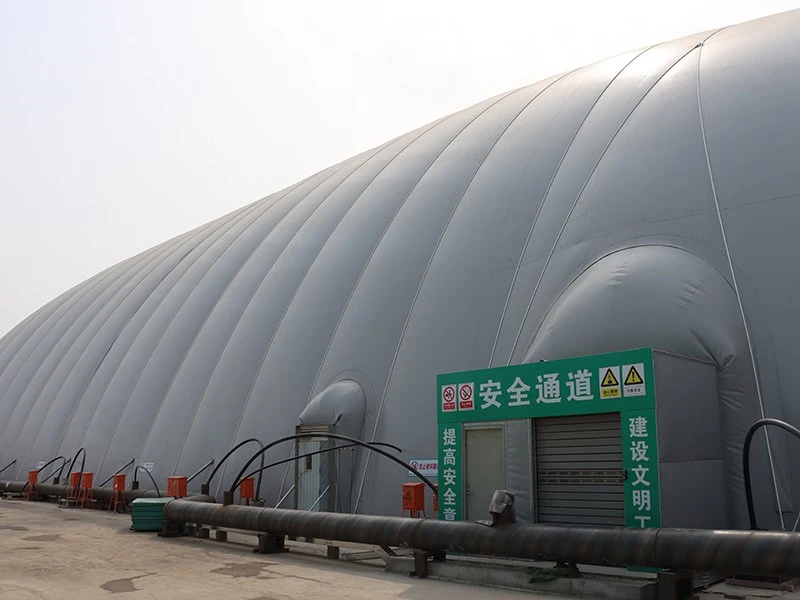
In the future, air-supported structures for sports and cultural tourism will increasingly prioritize return on investment (ROI), facility utilization rates, and differentiated business models. While these structures offer inherent construction flexibility, the ongoing costs-including electricity, equipment maintenance, personnel management, and membrane repairs-cannot be overlooked. Consequently, investors are placing greater importance on target audience analysis, site selection, and the design of operational models before breaking ground. For sports facilities located near urban areas, utilization can be maximized through membership-based booking systems, training programs, club partnerships, and amateur tournaments. For facilities in tourist resorts or family-oriented cultural tourism zones, operators can integrate local characteristics to develop family-focused sports, outdoor experiences, and holiday-themed events, thereby diversifying their offerings. Additionally, there is growing interest in modular design, demountable structures, and the potential for repurposing membrane materials; however, the feasibility of dismantling, relocating, or reusing these structures depends on specific structural designs, the condition of the materials, and technical requirements. Future industry competition will extend beyond construction costs and installation speed to encompass design expertise, equipment integration, after-sales support, and operational services. Companies capable of providing tailored designs that meet specific project needs, controlling long-term operating costs, and delivering sustained service will be better positioned to gain market recognition. Ultimately, the development of air-supported structures for sports and cultural tourism will hinge on achieving a balance between building performance, the sporting experience, and commercial viability-with the industry's long-term sustainability depending on the actual performance and operational success of the facilities themselves.