

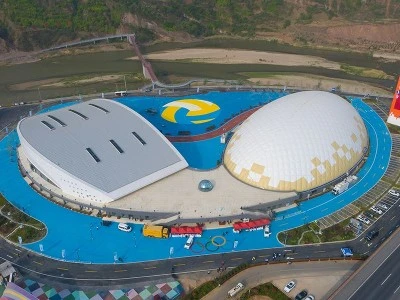
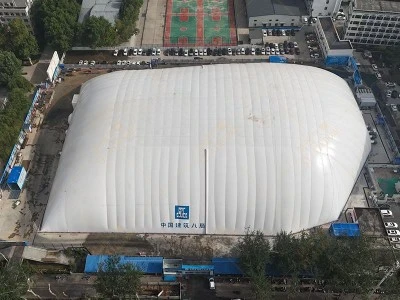
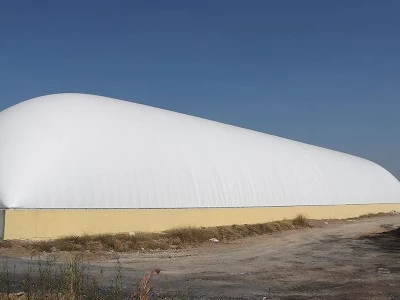
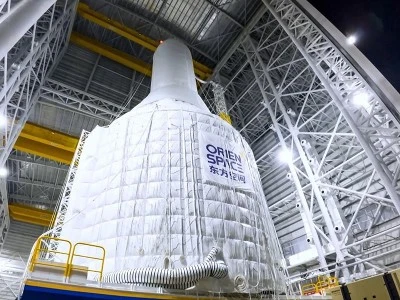
The maintenance of air-supported structures used for sports and tourism-often referred to as "air-supported venues"-should encompass daily operations, routine inspections, and targeted assessments following severe weather. Key areas of focus include the condition of the membrane surface, connection nodes, anchoring components, and the operational status of air-supply equipment. Since these venues are frequently used for sports such as tennis, badminton, basketball, and soccer, the membrane is subject to factors like solar radiation, temperature fluctuations, wind loads, and sustained tension. Consequently, regular inspections are necessary to identify potential issues such as tears, abnormal folds, coating delamination, seam separation, or localized slackening. During routine cleaning, appropriate methods should be selected based on the specific type of membrane material. Dust, leaves, and other debris should be removed promptly; however, the use of sharp tools, highly corrosive cleaning agents, or unverified high-pressure washing techniques must be avoided to prevent damage to the protective coating on the membrane surface. Particular attention should be paid to the membrane edges, heat-welded seams, door interfaces, and equipment connection points to check for air leaks, wear, or seal failure. If minor damage is detected, professional personnel should be contacted to perform repairs in accordance with the material specifications-avoiding the use of ordinary adhesive tape or incompatible bonding materials. Furthermore, steel cables, anchors, bolts, membrane-clamping components, and foundation connections should be inspected regularly to ensure there is no significant corrosion, deformation, or loosening. For venues in long-term operation, it is advisable to maintain an equipment maintenance log-recording inspection dates, identified issues, repairs performed, and parts replaced-to track the condition of the membrane and its supporting infrastructure, thereby mitigating the risk of major failures resulting from the accumulation of minor, unaddressed problems.
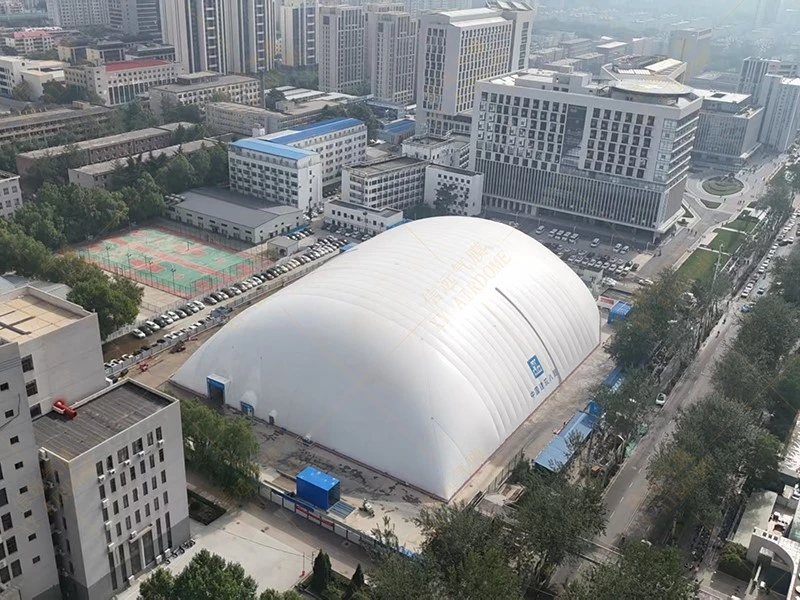
The maintenance of air-supply systems and electromechanical equipment is another critical aspect of caring for air-supported sports and tourism venues. This is especially true for air-supported structures that rely on internal air pressure to maintain their shape; in these cases, the operational status of blowers, air ducts, pressure sensors, and automated control systems must be continuously monitored. During daily operation, blowers should be checked for signs of abnormal vibration, increased noise, unusual temperature rises, or unstable performance. Additionally, in accordance with the equipment manufacturer's manual, filtration components should be cleaned regularly, electrical connections inspected, and mechanical parts serviced. For backup fans, auxiliary power sources, and pressure alarm systems, it is not enough to merely verify that the equipment is installed; functional tests must be conducted according to a maintenance schedule. This ensures that in the event of a power outage, fan failure, or abnormal pressure, the system can trigger timely alarms and switch over as per the design specifications. Air conditioning, ventilation, lighting, fire safety, and environmental monitoring equipment within the facility should also be included in a unified maintenance program. Particular attention should be paid to sports sensitive to airflow-such as badminton or tennis-to ensure that any irregularities in ventilation equipment do not disrupt normal use. Following severe weather events-such as high winds, heavy snow, torrential rain, or significant temperature fluctuations-inspections of the membrane structure, anchorage points, drainage systems, and equipment operation must be intensified. If necessary, the facility should be closed to the public, and a professional safety assessment should be conducted. Furthermore, facility operations staff must be well-versed in emergency response procedures for pressure anomalies, equipment shutdowns, occupant evacuation, and extreme weather, ensuring that improper handling does not exacerbate risks during a malfunction. It should be noted that maintenance requirements vary across different air-supported membrane structures; specific inspection intervals, cleaning methods, equipment maintenance tasks, and repair standards must adhere to the design documentation, equipment manuals, and the manufacturer's technical specifications. Establishing a standardized inspection regime, conducting regular professional assessments, and implementing robust troubleshooting protocols will extend the service life of the membrane structure and its auxiliary equipment, reduce maintenance costs, and ensure the long-term, stable operation of sports and cultural tourism venues.