

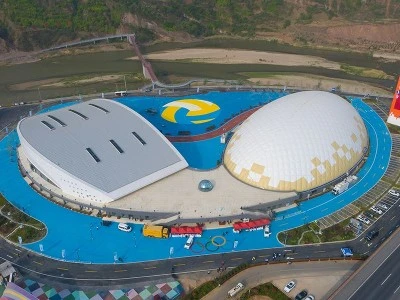
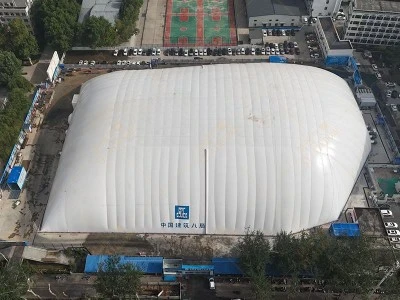
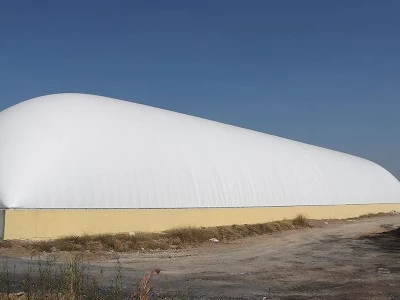
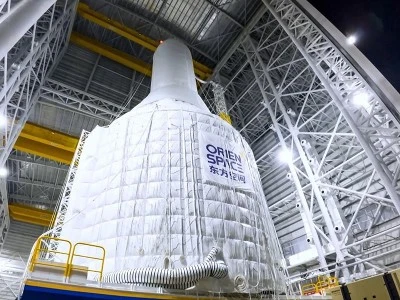
The technical parameters for air-supported structures used in excavation pits primarily encompass membrane material properties, structural dimensions, design loads, operating pressure, air supply systems, sealing performance, and safety control measures. These parameters directly influence the structural stability, containment effectiveness, and on-site operational costs of the air-supported structure. Given that such structures are typically employed for earthwork excavation, underground construction, and dust control-with projects varying significantly in terms of span, coverage area, construction duration, and local climatic conditions-technical parameters cannot be standardized; rather, they must be designed and verified based on the specific requirements of each project. During the procurement process, it is essential to first define the structural type (e.g., air-supported or air-ribbed), followed by the required coverage area, internal clearance, locations for entry and exit points, and access requirements for construction machinery. Regarding the membrane material, key specifications to evaluate include tensile strength (in both warp and weft directions), tear strength, seam strength, weather resistance, temperature tolerance (high and low), and fire resistance; it is also necessary to verify that the product test reports correspond to the actual materials supplied. For large-span structures intended for long-term outdoor use, a thorough review of the structural calculation report is critical to ensure that factors such as wind loads, snow loads, membrane pre-tension, anchorage forces, and extreme weather conditions have been accounted for. Product quality should not be judged solely based on membrane thickness or mass per unit area.
The technical specifications for air-supported structures in excavation pits focus on several core areas: First, structural dimensions and load parameters-including coverage area, span, height, internal clearance, design wind and snow loads, and criteria for controlling membrane deformation-must be determined based on the local climate and structural calculations. Second, operating pressure and air supply parameters-for air-supported structures, it is necessary to specify the baseline, minimum, and maximum internal operating pressures, as well as the airflow capacity, total pressure, power rating, and operational protocols for both the primary and backup air supply units. Some technical documentation for air-supported structures used in foundation pits cites a baseline operating internal pressure of approximately 200 Pa, with a minimum operating internal pressure of no less than 100 Pa. However, these are not fixed values applicable to every project; the actual figures should be determined based on the relevant technical requirements and the approved design documents.