

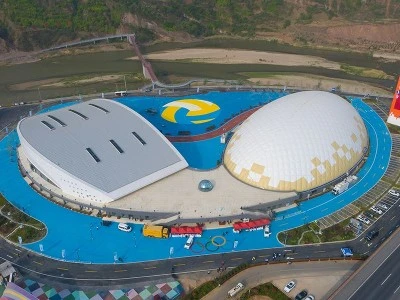
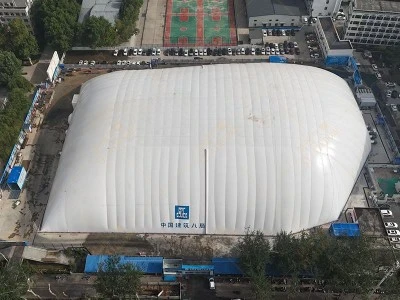
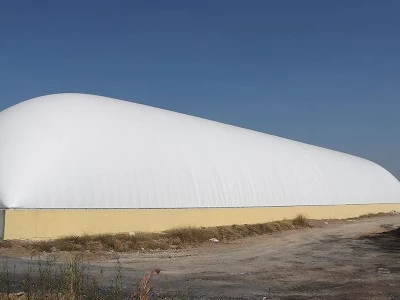
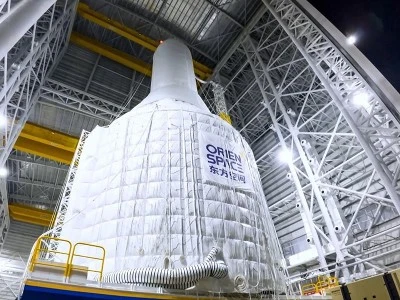
Given the stringent requirements for weight, sealing performance, and operational reliability in aerospace equipment, the design and manufacturing of pneumatic membranes must account for a complex interplay of factors-including operating pressure, temperature, the gaseous medium, and the specific installation environment-rather than relying on the properties of a single material. In terms of material selection, key parameters such as tensile strength, flexibility, tear resistance, gas barrier properties, and thermal stability (across high and low temperatures) are critical. For multi-layer composite membranes, the bond strength between functional layers must also be carefully managed to prevent delamination or cracking under cyclic pressure or temperature fluctuations. Regarding structural design, the membrane's thickness, overall geometry, edge-anchoring methods, and interface configurations must be tailored to its intended application. This involves analyzing the stress distribution across the structure under gas pressure, with particular attention to potential stress concentrations at seams, corners, and connection points. For complex structures or those subject to high loads, finite element analysis (FEA) and prototype testing can be employed to evaluate deformation and identify vulnerable areas, ensuring that strength and pressure-resistance requirements are met while minimizing overall weight. Furthermore, manufacturing processes-such as cutting, heat sealing, bonding, and composite molding-directly influence the final performance. Precise control over processing parameters, seam quality, and dimensional accuracy is essential to minimize defects like air bubbles, wrinkles, delamination, or weak joints, ensuring the final product aligns strictly with the design specifications.
Controlling airtightness, verifying pressure resistance, and testing environmental adaptability are also critical technical aspects in the production of aerospace-grade pneumatic membranes. In actual operation, these membranes must not only withstand specified pressure loads but also endure temperature fluctuations, mechanical vibrations, and repeated pressurization/depressurization cycles. Consequently, the membrane material, seams, and interfaces must remain stable across all operational conditions. Airtightness requirements necessitate the selection of appropriate testing methods-tailored to the specific structure and usage environment-to detect any leaks in the membrane or its connection points. Similarly, pressure-resistance performance must be validated through standardized pressure testing to ensure the membrane does not exhibit abnormal deformation, seam rupture, or structural damage. For products intended for long-term use or those subject to cyclic loading, it is essential to conduct tests-such as pressure cycling, temperature adaptability, and material aging assessments-under actual operating conditions. These tests help analyze potential performance shifts during service, preventing operational issues caused by material fatigue, the loosening of connections, or a degradation in sealing capability. Furthermore, manufacturers must establish a robust quality control and inspection-recording system, documenting raw material batches, processing parameters, final product test results, and the handling of any anomalies to ensure full product traceability. For specialized aerospace applications, additional evaluations-covering material outgassing, performance in vacuum environments, and other mission-specific requirements-are also necessary. By integrating material R&D, structural optimization, process control, and performance verification, it is possible to effectively enhance the product consistency, service life, and overall reliability of gas-film components used in aerospace systems.