

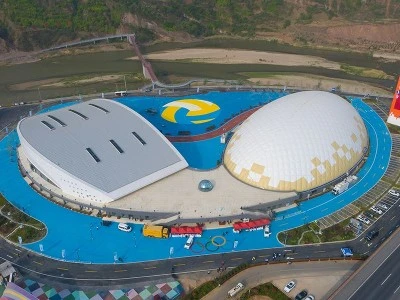
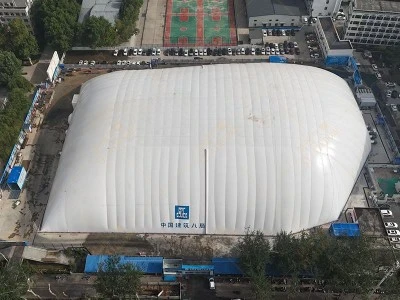
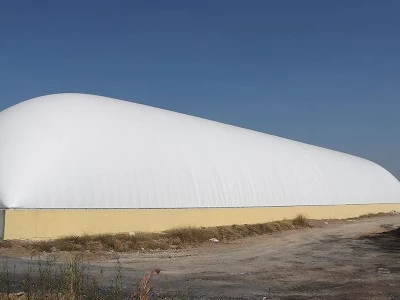
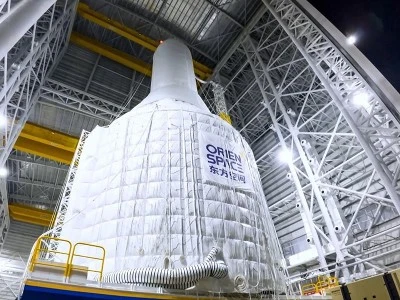
The design philosophy for air-supported structures in sports and cultural tourism centers on integrating the practical requirements of sports facilities with efficient space utilization, architectural aesthetics, environmental adaptability, and long-term operational viability. The goal is to create comfortable, safe, indoor sports spaces that cater to various athletic activities while incorporating elements of cultural tourism. Compared to traditional sports venues, air-supported structures offer advantages such as low self-weight, expansive interior space, and flexible overall form. During the design phase, the building's span, internal layout, and functional zoning can be tailored to the specific dimensions, clearance height requirements, and occupancy needs of different sports-such as tennis, badminton, basketball, or soccer. For comprehensive sports and cultural tourism projects, it is essential to account for additional needs-including spectator rest areas, sports training facilities, equipment storage, circulation paths, and supporting services-to ensure the venue provides a well-rounded user experience rather than merely serving basic athletic functions. In terms of exterior design, the project can draw inspiration from the local natural environment, urban character, and tourism resources. Through the strategic use of membrane colors, architectural silhouettes, entrance designs, and night-time lighting, the venue's distinctiveness can be enhanced, allowing it to harmonize with the surrounding landscape and public spaces. Furthermore, the internal environment-covering temperature, humidity, lighting, and air circulation-must be integrated into the overall design, with ventilation, climate control, illumination, and environmental monitoring systems configured according to the specific demands of each sport. For instance, in badminton and tennis facilities, it is crucial to minimize the impact of airflow on the trajectory of the ball, whereas for basketball or soccer venues, the ventilation system must be designed to accommodate high occupancy levels. By holistically planning the structural framework, athletic functionality, and spatial experience, air-supported structures can be effectively adapted to a wide range of sports projects, regardless of their scale or intended purpose.
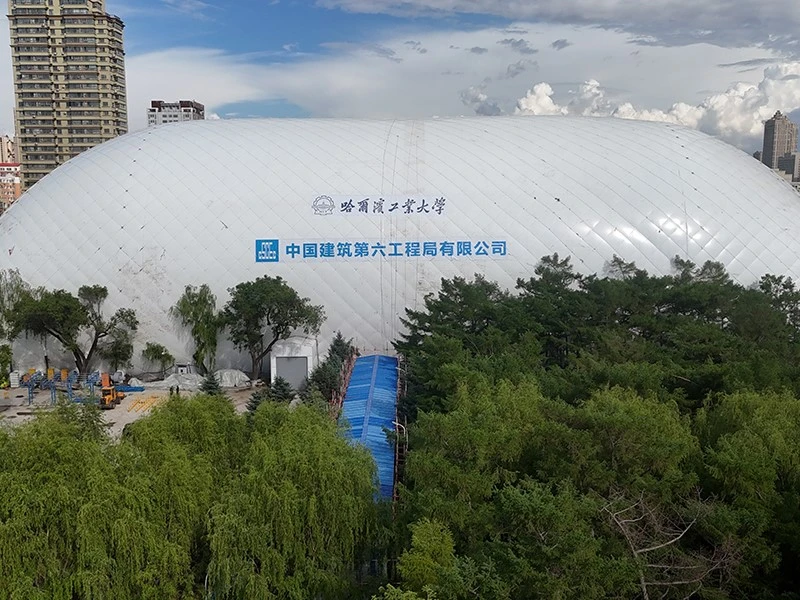
Additionally, the design of air-supported structures for sports and cultural tourism must strike a balance between structural safety, energy-efficient operation, construction efficiency, and long-term viability. Since the overall form of an air-supported structure relies on the tension of the membrane material, the anchoring system, and the supporting mechanical equipment, the design phase requires specialized calculations based on the venue's span, local wind and snow loads, the properties of the membrane material, and specific operational conditions. These calculations are vital for determining the optimal structural configuration, membrane parameters, foundation connections, and the specifications for the air-supply system. For air-supported membrane structures, it is essential to account for the energy consumption, equipment noise, and maintenance requirements associated with continuous fan operation. Design considerations should include optimized air supply pathways, pressure monitoring systems, backup fans, and emergency power supplies to minimize the impact of operational failures on the facility's use. Regarding energy efficiency, consumption can be reduced by optimizing building orientation, maximizing natural daylight, implementing smart lighting controls, selecting high-performance envelope materials, and refining equipment operational strategies; furthermore, temperature and humidity control schemes should be tailored to the local climate. Given that sports, cultural, and tourism facilities often host diverse groups-including visitors and athletes of all ages-the design must prioritize accessibility, fire evacuation, emergency lighting, slip-resistant flooring, and safety measures within sports zones, ensuring the facility remains functional during both peak periods and daily operations. Additionally, the design should facilitate long-term maintenance and future functional adjustments by incorporating dedicated space for equipment servicing, membrane inspections, fan maintenance, and the upgrading of auxiliary facilities. For projects focused on tourism, family-oriented activities, or general fitness, the spatial planning can also integrate sports training, themed events, and leisure services to enhance facility utilization and operational flexibility. In summary, the design of air-supported structures for sports, culture, and tourism should extend beyond mere architectural form or construction speed. Instead, it must be rooted in practical athletic requirements, balancing safety, comfort, energy costs, and operational efficiency to ensure that the facility not only fulfills its intended sports functions but also demonstrates strong environmental adaptability and long-term operational value.