

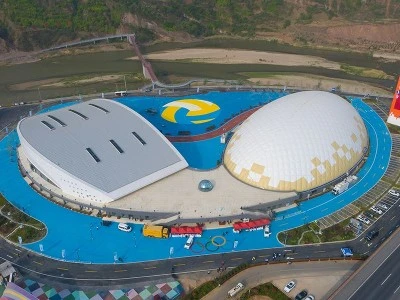
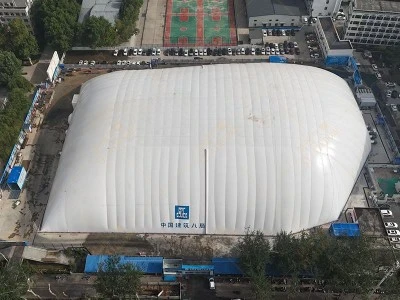
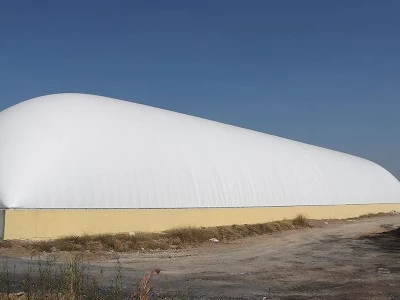
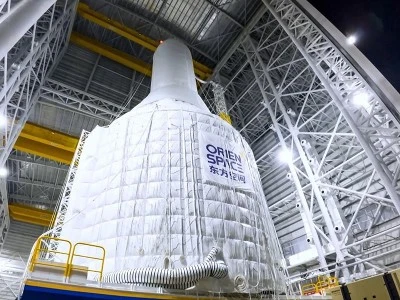
The advantages of air-supported structures for sports, culture, and tourism are primarily reflected in their high construction efficiency, superior space utilization, and flexible layout. Unlike traditional steel or concrete sports facilities, air-supported structures utilize high-strength, flexible membrane materials and supporting systems to create an enclosed space. Being lightweight, they generally do not require load-bearing columns within the activity area, providing an expansive, unobstructed space suitable for sports such as tennis, badminton, basketball, and five-a-side soccer. During construction, the main membrane structure can be designed and prefabricated off-site based on specific dimensions; on-site work is largely limited to foundation preparation, membrane installation, equipment connection, and system commissioning-a process that, given appropriate site conditions and project management, significantly shortens the on-site installation timeline. Furthermore, the span, height, and internal zoning of these structures can be tailored to specific requirements, allowing for the creation of either single-sport venues or comprehensive sports complexes that integrate various ball games, fitness training, and leisure activities. For schools, sports parks, tourist resorts, and commercial sports-leisure projects, this flexibility enables the efficient organization of activity zones according to the available site area and operational goals, thereby maximizing land use. These structures also create a relatively enclosed indoor environment, shielding activities from adverse weather-such as rain, snow, wind, sand, or extreme cold-and ensuring that sports training, club activities, and public fitness programs can continue year-round. Through the strategic integration of lighting, ventilation, climate control (temperature and humidity), and environmental monitoring systems, the sports environment can be optimized to provide consistent, comfortable conditions for users of all ages.
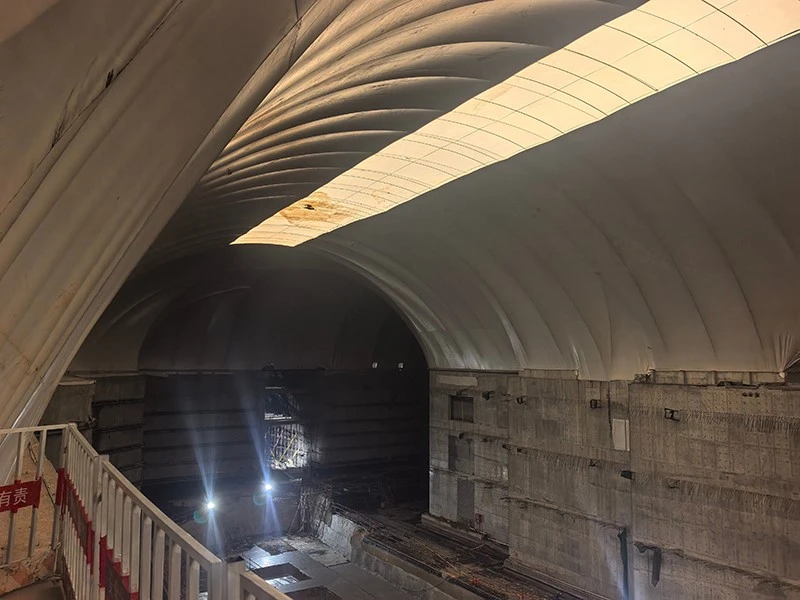
Another key advantage of air-supported structures is their versatility in functional integration. They can easily incorporate sports training, family-oriented entertainment, leisure tourism, and competitive events, facilitating a diversified operational model. While traditional, single-purpose sports venues often have rigid usage patterns, air-supported structures allow for the planning of varied zones-such as badminton and tennis courts, physical conditioning areas, and children's activity zones-within a single facility. These can be complemented by essential amenities like changing rooms, lounge areas, equipment storage, and other service facilities, effectively meeting a wide range of needs, from daily fitness and youth training to club activities and organized tournaments. In cultural tourism projects, local tourism resources can be leveraged to develop themed sports experiences, family-oriented activities, sports-based educational programs, and holiday-themed events. This expands the range of use cases for the facilities and improves utilization rates during off-peak periods. From an operational management perspective, some air-supported (air-membrane) structures offer the flexibility to be dismantled, expanded, or relocated. Provided that structural design standards, material integrity, and regulatory approval requirements are met, these facilities can be adapted to evolving project needs, thereby mitigating the constraints often imposed by the rigid, fixed layouts of traditional venues. It should be noted, however, that air-supported structures do not necessarily entail lower construction or operating costs; their actual economic viability depends on factors such as the quality of the membrane material, the span of the structure, energy consumption of the inflation/ventilation systems, HVAC configuration, maintenance frequency, and local climatic conditions. Air-supported structures, in particular, require constant monitoring of internal pressure, fan operation, and emergency power supply to ensure safe and stable performance. Consequently, during the project planning phase, it is essential to conduct a comprehensive assessment-weighing initial capital investment, annual energy expenditures, maintenance costs, and projected visitor traffic-to determine an appropriate scale and mix of sports activities. Only through such careful planning can the advantages of air-supported structures-namely efficient space utilization, rapid construction, and operational flexibility-be fully realized within the context of sports-integrated cultural tourism.