


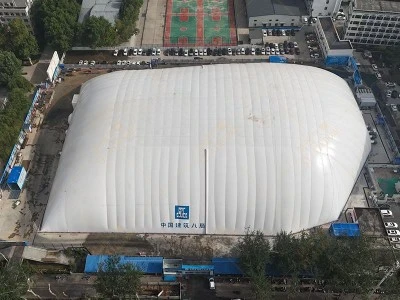
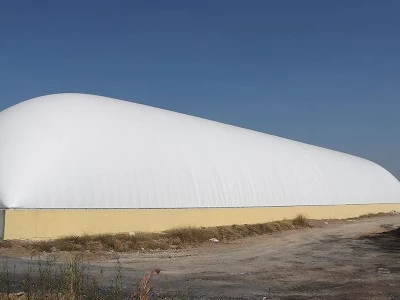
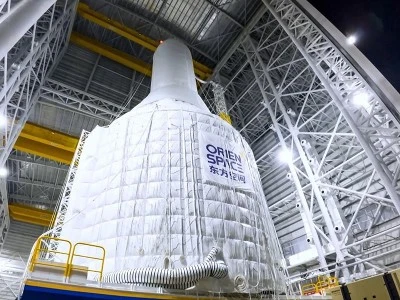
During routine maintenance of aerospace-related air-film components, focus should be placed on the condition of the film surface, sealing areas, connection structures, and material properties. Care must be taken to prevent damage resulting from improper handling or long-term use, which could impair the equipment's normal operation. Before each use, the air-film component should undergo a visual inspection based on its specific design and technical requirements. This includes checking for scratches, cracks, punctures, creases, bulges, delamination, or localized deformation. Additionally, all edge seams, heat-sealed zones, bonded areas, and gas connection ports must be inspected to ensure they are secure and intact. For air-film components that serve a gas-sealing or pressure-isolation function, a formal airtightness test must be conducted according to established procedures to confirm the absence of abnormal leaks; a sound visual appearance alone is not sufficient to deem the component fit for use. During cleaning, appropriate methods must be selected based on the chemical properties of the film material. The use of unverified organic solvents, strong acids or bases, or any other cleaning agents that could cause the material to swell, harden, or become brittle is prohibited. Furthermore, the use of sharp tools to scrape the film surface is strictly forbidden. Any dust, oil, or other contaminants on the surface should be removed using validated cleaning materials and procedures, followed by a thorough inspection for any surface irregularities. If significant damage, seal failure, or structural anomalies are detected, the component must be taken out of service and documented. It should then be evaluated by qualified technical personnel. Unauthorized repairs-such as the use of standard adhesives, tape, or other unapproved materials-are strictly prohibited, as they may compromise the original performance of the air-film component.
Regarding storage, handling, and periodic maintenance, aerospace-related air-film components must be managed in strict accordance with the temperature, humidity, cleanliness, and packaging requirements specified in the product's technical documentation. They should not be exposed for extended periods to direct sunlight, extreme temperatures (high or low), high humidity, or corrosive media, as this could lead to material aging, discoloration, surface adhesion, or a degradation of mechanical properties. During handling, the pneumatic membrane should, as far as possible, be kept in its naturally unfolded state or in its specified storage configuration. Avoid excessive folding, forceful stretching, compression, or localized twisting. Particular care must be taken to protect the membrane's edges, interfaces, and vulnerable connection points to prevent the occurrence of subtle, hard-to-detect damage during loading and unloading. For products that require folding for storage, follow the prescribed folding method and adhere to the minimum bend radius; do not alter the storage procedure arbitrarily. In the case of pneumatic membranes used for aerospace equipment-which may have specific cleanliness requirements-ensure that dust, fibers, grease, and other contaminants are kept out of sealed areas. For routine maintenance, establish an inspection schedule based on factors such as frequency of use, operating pressure, environmental conditions, and the product's design lifespan. Maintain records of usage cycles, pressure test results, maintenance history, and any observed anomalies, and conduct necessary performance re-verification in accordance with the manufacturer's specifications. If a pneumatic membrane has been subjected to abnormal overpressure, intense vibration, exposure to extreme temperatures, or prolonged periods of inactivity, it must undergo a targeted inspection and assessment before being returned to service. For products that have reached the end of their specified service life, or that exhibit material degradation, recurring leaks, or incomplete maintenance records, a determination regarding continued use, replacement, or decommissioning should be made in compliance with applicable technical standards-ensuring that the pneumatic membrane maintains the required safety, sealing integrity, and structural reliability throughout its entire operational lifecycle.