

The technical principle of pneumatic membrane systems used in aerospace applications relies on the interplay between gas pressure, the mechanical properties of the membrane material, and the sealing structure to facilitate functions such as gas transport, isolation, sealing, or pressure regulation. In operation, a pressure differential across the membrane induces specific forces and deformations; the membrane's inherent strength, elasticity, and edge-anchoring structures then maintain a stable operational state. When gas enters the membrane or exerts force on its surface, the pressure load is transmitted across the membrane to the edge connections. The membrane resists these external loads through internal tensile stress and structural constraints, thereby preserving the integrity of the entire system. In practice, the performance of a pneumatic membrane is closely linked to factors such as membrane thickness, the material's elastic modulus, structural geometry, operating pressure, and connection methods. Insufficient membrane strength or uneven local stress distribution can lead to excessive deformation, localized bulging, or even structural failure, while inadequate contact pressure at sealing interfaces may result in gas leakage. Consequently, the design process must carefully account for specific operating pressures and environmental conditions-optimizing the membrane structure, stress distribution, and sealing interfaces to ensure the system meets functional requirements while maintaining excellent airtightness, load-bearing capacity, and structural stability.
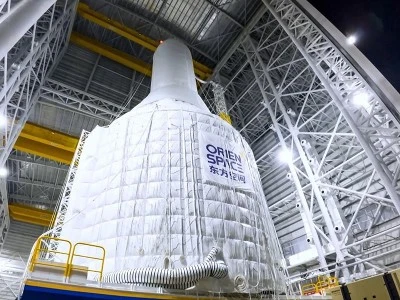
In the aerospace sector, the implementation of pneumatic membrane technology also requires a comprehensive assessment of factors such as temperature fluctuations, mechanical vibrations, pressure variations, and the long-term performance of materials under service conditions. Given the stringent requirements for weight, space, and reliability in aerospace equipment, these membranes must deliver stable performance within constrained structural dimensions. Therefore, design efforts must extend beyond basic mechanical equilibrium under gas pressure to address material resistance to extreme temperatures, fatigue endurance, and the reliability of connections between various components. For multi-layered composite membrane structures, individual layers can be tailored to serve specific functions-such as ensuring airtightness, providing structural support, offering thermal insulation, or delivering protection-with strategic layering used to enhance overall performance. In operational environments involving repeated pressurization and depressurization, particular attention must be paid to stress variations under cyclic loading to prevent the development of fatigue cracks or the loosening of connections caused by repetitive deformation. Furthermore, the sealing principle of a gas film involves the pressure distribution at the contact interface, the degree of material conformity, and gas permeation characteristics. It is essential to optimize both the sealing structure and the manufacturing processes to minimize the risk of gas leakage along seams, interfaces, or internal material pathways. During the product validation phase, it is typically necessary to conduct pressure tests, airtightness checks, temperature adaptability tests, and vibration tests-tailored to specific application requirements-to evaluate the performance of the gas film under various operating conditions. By comprehensively controlling factors such as gas pressure, the forces acting on the film, material properties, and sealing mechanisms, one can enhance the operational stability and reliability of aerospace-grade gas films in complex environments.