

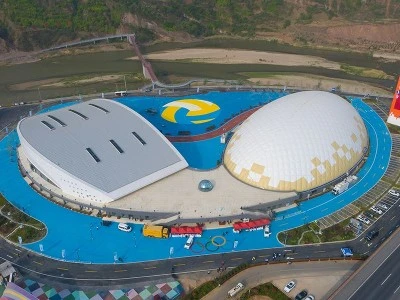
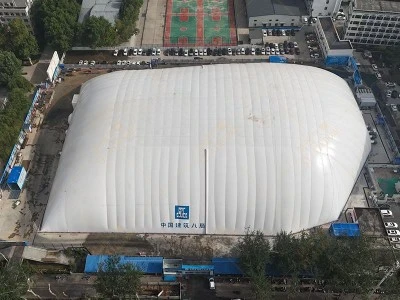
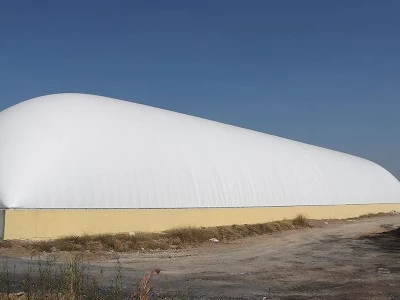
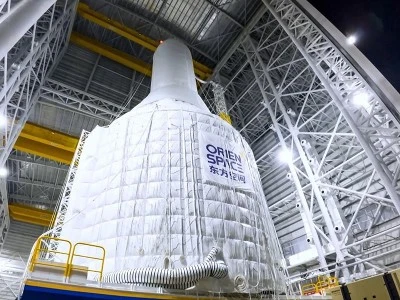
Aerospace-related gas films serve critical functions-such as sealing, protection, isolation, and cushioning-within aerospace equipment and its associated components. Their performance directly influences the operational stability and service life of such equipment. In practical applications, these gas films can form specialized gas-based isolation layers or sealed zones tailored to the structural characteristics and operating environments of the equipment. This prevents external contaminants-including dust, moisture, oil, and other impurities-from entering the system, thereby reducing the risk of contamination, wear, and corrosion to vital components. Given the stringent requirements in the aerospace sector regarding airtightness, temperature and pressure resistance, and material reliability, these gas films must be meticulously designed for specific use cases, ensuring they remain effective even amidst temperature fluctuations, pressure variations, and complex operating conditions. For certain precision instruments and specialized structural components, these gas films also provide thermal insulation, vibration damping, and cushioning, shielding internal structures and delicate parts from external environmental shifts and ensuring the reliable operation of the equipment.
Furthermore, these gas films contribute to optimizing the operating environment, enhancing system efficiency, and bolstering overall reliability. In applications ranging from aerospace engine auxiliary systems and spacecraft components to various precision systems, the structural design, material properties, and manufacturing quality of the gas film directly dictate its performance. A well-engineered gas film minimizes gas leakage and maintains the necessary internal pressure; in specific applications, it can also create a stable, thin gas layer that reduces friction and wear between contacting parts, thereby lowering energy loss and maintenance requirements. Because aerospace equipment often contends with significant temperature differentials, pronounced vibrations, and complex operating environments, these gas films must exhibit excellent dimensional stability, durability, and environmental adaptability-ensuring that material aging, structural deformation, or a decline in sealing performance do not compromise equipment operation. By tailoring the thickness, structural configuration, material selection, and performance specifications of the gas film to the operating principles, installation constraints, and service conditions of the specific equipment, it is possible to further enhance the safety and stability of the entire system, supporting the long-term, reliable operation of aerospace equipment.