

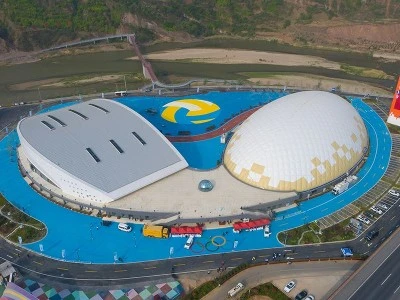
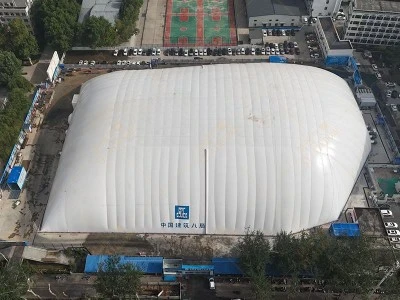
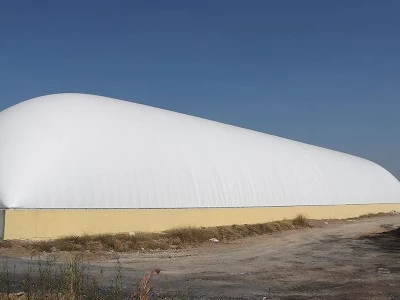
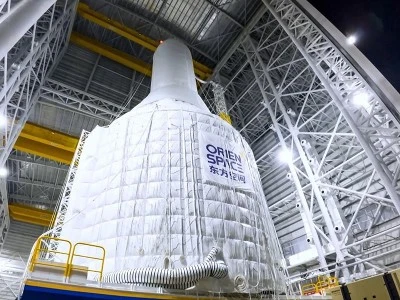
When selecting an air-supported structure (air membrane) for an excavation pit, the decision should be based on the specific requirements of the project-such as the desired structural form, coverage area, and operational needs-rather than relying solely on price quotes or the thickness of the membrane material. Excavation pits vary significantly in terms of excavation area, plan geometry, depth, surrounding structures, and construction duration; these factors dictate specific requirements for the membrane's span, internal clearance, wind resistance, and equipment configuration. Before procurement, it is essential to define the dimensions of the excavation pit, the intended enclosed area, the access requirements for construction machinery, and the planned duration of use. Suppliers should then propose a structural solution tailored to these site-specific conditions. Regarding the membrane material, focus on key performance indicators-such as tensile strength, tear strength, seam strength, weather resistance, and fire performance-and ensure that the supplier provides relevant product test reports and quality certification documents. For large-span structures or those intended for long-term outdoor use, verify that the structural calculations account for local wind and snow loads, membrane pre-tension, and the forces acting on anchorage points; this helps prevent issues such as excessive membrane deformation or the loosening of connections due to inadequate design. Furthermore, the structural configuration will influence future operation and maintenance. For instance, air-supported structures rely on an air supply system to maintain internal pressure; therefore, it is critical to confirm that the system includes adequate primary and backup blowers, pressure monitoring devices, a backup power supply, and reliable alarm functions for abnormal conditions. A comprehensive evaluation-integrating membrane quality, structural safety, and equipment configuration-is necessary to select a product truly suited to the specific construction environment.
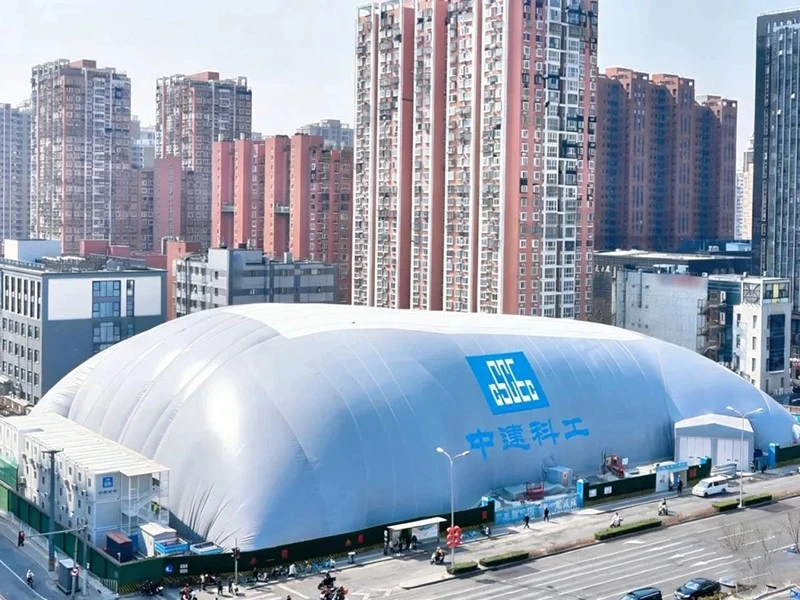
It is also important to compare suppliers based on their construction capabilities, the quality of their supporting equipment, and the standard of their after-sales service. An air-supported structure for an excavation pit is not a "plug-and-play" product; its installation involves multiple complex stages, including foundation connection, anchoring, membrane deployment, seam inspection, air supply system commissioning, and safety acceptance. Consequently, priority should be given to suppliers capable of providing a full-service package, encompassing design, manufacturing, installation, and ongoing maintenance. When requesting a quote, it is advisable to ask for a detailed breakdown that specifies the membrane material and its technical specifications, the number and parameters of blowers, anchoring components, control systems, entry/exit facilities, as well as costs for transportation, installation, and dismantling. This helps prevent unexpected expenses arising from an ambiguous project scope. Furthermore, verify whether the supplier has experience with similar excavation-site projects; specifically, inquire about the performance of their previously completed projects, including installation timelines, equipment operational stability, and the efficiency of their troubleshooting and repair processes. For air-supported structures intended for lease or repeated use, clarify the service life of the membrane material, maintenance responsibilities, potential wear and tear during assembly/disassembly, and terms for recovery or return-ensuring that decisions are based on the total cost of ownership rather than just the initial purchase price. Before finalizing the procurement, review the design documents, material test reports, construction plans, and safety protocols against project requirements, and clearly define delivery standards, acceptance criteria, and after-sales response times. It is crucial to note that air-supported structures used at excavation sites serve solely as enclosures for construction or environmental control; they cannot substitute for essential excavation support, slope stabilization, or groundwater control measures. A comprehensive evaluation-covering product performance, structural design, supplier capabilities, and total costs-is essential to mitigate risks during procurement and construction, ensuring the air-supported structure functions effectively in the actual project environment.