

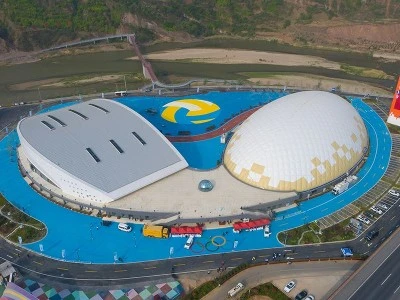
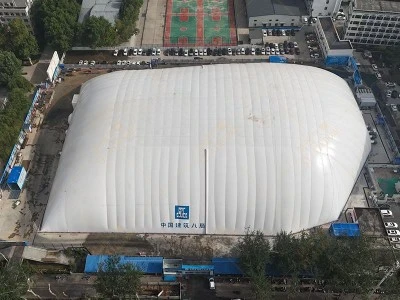
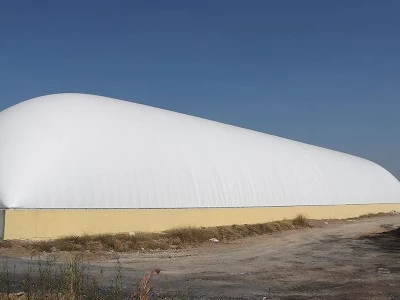
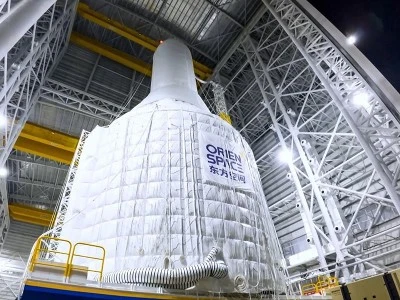
The sealing performance of agricultural air-supported structures (or inflatable membrane structures) depends primarily on the gas-barrier properties of the membrane material itself, the methods used to join the membrane sections, and the overall quality of the sealing measures applied to the structure. These factors are critical to the thermal insulation, environmental stability, and operational reliability of agricultural facilities. For standard agricultural greenhouse covers, sealing is particularly important at overlaps, edge anchor points, the perimeters of doors and windows, and ventilation openings. If significant gaps exist in these areas, cold external air can easily enter the structure, causing heat loss and negatively impacting the growing environment for crops. In the case of double-layered inflatable insulation membranes, sealing performance also determines the ability to maintain the air cushion between the layers. Leaks at seams or inflation ports can cause a drop in inter-layer pressure, leading to the two layers of film coming into contact, which diminishes thermal insulation and, in severe cases, compromises the structural stability of the membrane system. Consequently, during the design and installation of these structures, it is essential to select appropriate joining techniques-such as heat sealing, adhesive bonding, or mechanical fastening-based on the specific characteristics of the membrane material, while carefully controlling seam widths, overlap lengths, and edge connections. For large-scale inflatable agricultural structures, the sealing requirements are even more stringent; beyond ensuring the airtightness of the membrane material itself, particular attention must be paid to the seals at the interface between the membrane and the foundation, as well as at entrances, exits, fan connections, and other equipment interfaces, to prevent localized leaks from affecting internal pressure and overall operational integrity.
The sealing performance of agricultural air-supported structures can be influenced by factors such as installation quality, material aging, temperature fluctuations, wind loads, and routine maintenance. Over time, exposure to sunlight, rain, and repeated mechanical stress (stretching) can cause the membrane to age, become brittle, lose tension, or develop cracks at the seams, all of which degrade the overall sealing effectiveness. Therefore, following installation, it is necessary to verify that the membrane surface is smooth, the seams are continuous, and the edge anchorages are secure. Furthermore, depending on the type of facility, appropriate leak-detection checks should be conducted. For standard greenhouses, inspections should focus on identifying any noticeable gaps-particularly at film overlaps, anchor points for film-securing lines, and around doors, windows, and ventilation openings. For double-layer inflatable film structures, it is essential to regularly monitor the inter-layer to ensure it remains properly pressurized, while also checking for abnormal air leaks in the inflation fans, ductwork, and connection ports. In the case of large-scale inflatable agricultural structures, assessments must be conducted in accordance with design specifications-verifying operating pressure, the integrity of membrane connections, and the sealing of the foundation-utilizing pressure monitoring or professional leak-detection methods when necessary. Should localized damage or a loss of seal occur, repairs must be performed using proven materials and techniques appropriate for the specific type of membrane; the use of incompatible adhesives or haphazard patching must be avoided to prevent further damage. Ultimately, the sealing performance of an agricultural inflatable structure depends not only on the material itself but also on the quality of the seams, the standard of installation, and ongoing maintenance. Only by ensuring sound design for critical connection points and establishing a routine inspection regimen can the internal environment be kept stable, while minimizing heat loss and energy waste.